Environmental Due Diligence
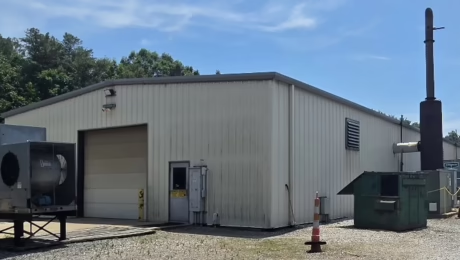
An environmental site compliance audit is an on-the-ground inspection that verifies a facility’s day-to-day operations — hazardous materials handling, storage tanks, wastewater, PCB-containing equipment — match its environmental obligations. In the summer of 2026, A3 Environmental Consultants (A3E) paired Phase I Environmental Site Assessments with an environmental site compliance audit program covering 15 power generation
- Published in Environmental Consulting, Environmental Due Diligence, Project Profiles
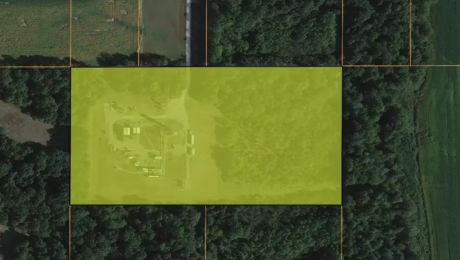
A natural gas plant Phase 1 ESA is an environmental due diligence report that documents the current and historical environmental conditions of a gas processing facility before a purchase, refinance, or expansion. A3 Environmental Consultants (A3E) completed a natural gas plant Phase 1 ESA in Corinth, Illinois for Dawood Engineering, Inc., acting on behalf of
- Published in Environmental Due Diligence, Project Profiles

Watershed Plan development is the foundation of effective water quality restoration in Illinois. A well-built Watershed Plan identifies pollution sources, proposes science-based solutions, and creates the roadmap that unlocks federal funding — including IEPA Section 319(h) grants. Without an EPA-approved Watershed Plan, most communities cannot access implementation funding for streambank stabilization, buffer installation, or habitat
- Published in Environmental Due Diligence

A Phase 1 Environmental Site Assessment cost typically falls between $2,200 and $4,000. Most standard commercial properties fall at the lower end of that range. Complex sites — former industrial facilities, brownfields, or properties with long operational histories — push toward the higher end. The price covers a records review of federal, state, and local
- Published in Environmental Due Diligence
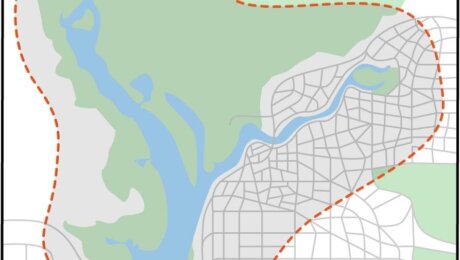
One of the services we provide at A3 Environmental Consultants is Environmental Screening for Wellhead Protection Areas (WPA) for Point Source Pollution. The logical first question everyone asks is “What does a Environmental Screen for a Wellhead Protection Area look like?” Well, click through this link and download a sample. A3E provides these services for
- Published in Environmental Due Diligence
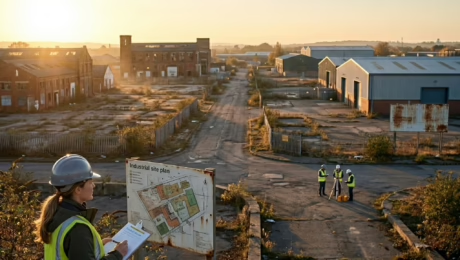
When it comes to commercial real estate (CRE), a Phase 1 ESA is more than paperwork—it’s your first line of defense against costly environmental surprises. In Bedford Park, IL, industrial properties have long histories of chemical use, vehicle maintenance, and heavy manufacturing, making a thorough assessment critical for developers and CRE professionals. In 2025, A3
- Published in Environmental Due Diligence

Redeveloping industrial properties comes with unique challenges, and a thorough Brownfield Assessment is critical for success. In 2025, A3 Environmental Consultants (A3E) conducted a detailed Phase I Environmental Site Assessment (ESA) for the 24.7-acre St. Charles Brownfield Site in Kane County, Illinois. This assessment, performed in accordance with ASTM E1527-21 and the USEPA All Appropriate
- Published in Environmental Due Diligence, Environmental Remediation

An environmental record search is a regulatory and historical database review that tells you whether a commercial property — or any of its neighbors — has a documented history of contamination, before you buy, lend, or develop. It is the fastest, lowest-cost form of environmental due diligence, and for many low-risk deals it is all
- Published in Environmental Due Diligence

Buying commercial real estate without a Phase 1 Environmental Report is like buying a used car without lifting the hood. Whether it’s a strip mall in Michigan or a logistics hub in Nevada, these reports are essential tools for assessing environmental risk —and they’re not always available for public consumption. In this post, we unpack
- Published in Environmental Due Diligence
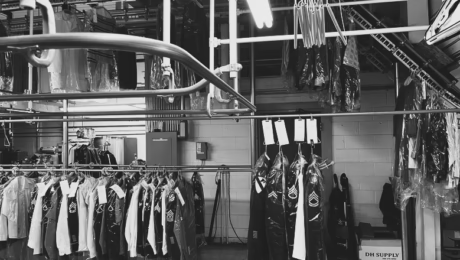
When commercial property transactions involve historical industrial uses, environmental due diligence becomes more than a checkbox—it becomes risk management. A Phase I Environmental Site Assessment (ESA) is often the first step lenders and developers take to understand whether past operations may have left behind contamination that could affect financing, liability, or redevelopment potential. In April
- Published in Environmental Due Diligence

Phase 1 Environmental Reports serve as pivotal documents in assessing environmental risks associated with a property. Central to their integrity is the assurance of confidentiality, a cornerstone of professional practice within the environmental consulting industry. Access to these reports is typically restricted to parties directly involved in the contractual agreement governing their production. Without such
- Published in Environmental Due Diligence

For many people, purchasing a commercial property is a once-in-a-lifetime event. It’s not surprising that most don’t know the terminology. There’s no such thing as a “Level One Environmental”. It’s called a “Phase 1 Environmental Site Assessment”. This post is dedicated to all the ways people get their terminology understandably wrong. It makes it difficult
- Published in Environmental Due Diligence

The ESA Questionnaire is an important part of an ASTM 1527-13 Phase 1 ESA. A3E wants to help Freelance Environmental Consultants to do more work, faster and ultimately get paid more. Why? Because we’ve been there, done that. Let’s work together!
- Published in Environmental Due Diligence
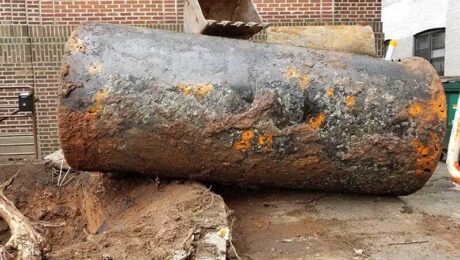
Discovering a leaking underground storage tank (UST) on your property is like finding out your basement has a swimming pool you didn’t order—and it’s full of gasoline. Whether you’re preparing to buy, sell, or simply manage a site, a UST is rarely a welcome surprise. Regulators are strict, buyers get nervous, and cleanup costs can
- Published in Environmental Due Diligence, Environmental Remediation

Phase 1 Environmental Site Assessment Checklist for Freelance Environmental Consultants. Download.
- Published in Environmental Due Diligence

I thought this article about environmental cleanup liabilities was great information that most people in a property transaction never hear about. You can read the whole thing by clicking here. Lenders, borrowers, purchasers, sellers, and even contractors sometimes get annoyed with environmental lawyers when we insist on reviewing Phase I Environmental Site Assessment (ESA)
- Published in Environmental Due Diligence

In August 2024, A3 Environmental Consultants completed a wetland delineation for Professional Environmental Engineers, Inc. at a 23-acre site along Lincoln Avenue in Lisle, DuPage County, Illinois. The area, a mix of residential, commercial, and recreational land use, required a thorough evaluation to determine the presence of wetlands and any potentially critical habitats. This project
- Published in Ecological Services, Environmental Due Diligence, Project Profiles

As an environmental consultant, we’re frequently asked for advice that veers out of our lane and into what environmental lawyers do best. While I’ve never met or talked to the environmental lawyers over at Spencer Fane, they seem to have some pretty good, concise, advice about environmental law. The following is gleaned from their website
- Published in Environmental Due Diligence

You’re probably wondering how you’ve lived so long on this planet without ever knowing how Illinois landfill pricing works. Settle down nerd. I’m not going to answer every question you have, just give you a slightly better understanding. This article is designed for regular people, new environmental consultants and trucking companies that haul clean fill,
- Published in Environmental Due Diligence

The following is a guide for regular people regarding CCDD – which stands for Clean Construction Demolition Debris. In this primer, we’re going to take a beat to cover background information you’ll need to keep in mind while reading. I’m making the assumption that you, the reader, is not an engineer or environmental consultant but is in an industry that is touched by these regulations.
- Published in Environmental Due Diligence, Environmental Remediation
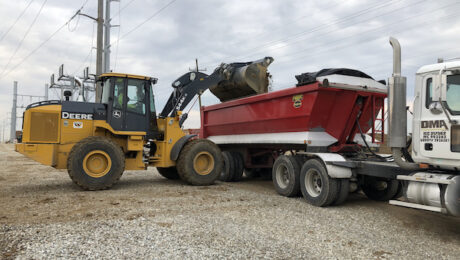
The Illinois MAC value table sets the Maximum Allowable Concentration (MAC) limits that decide whether soil qualifies as clean fill (CCDD). MAC refers to the maximum allowable levels of contamination in clean fill. CCDD stands for Clean Construction Demolition Debris and is a body of laws from the IEPA (Illinois EPA) that regulate clean fill
- Published in Environmental Due Diligence, Environmental Remediation
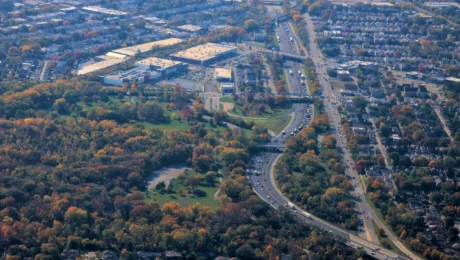
When IDOT transportation improvements move forward in Northern Illinois, environmental due diligence moves with them. In 2025, A3 Environmental supported four separate Illinois Department of Transportation (IDOT) Preliminary Site Investigation (PSI) assignments across the Greater Chicagoland area, serving as subconsultant to Arcadis. Each project required strict adherence to IDOT Bureau of Design and Environment procedures,
- Published in Environmental Due Diligence

Clean fill cost in Illinois comes down to three things: the science, the disposal, and the trucking. CCDD stands for Clean Construction Demolition Debris. Similarly, USF is an abbreviation for Uncontaminated Soil Fill. In Illinois both of these terms are used interchangeably as “Clean Fill”. Both of these terms refer to a body of laws
- Published in Environmental Due Diligence

When most people hear the phrase Environmental Remediation, they picture white-suited consultants scrubbing away spills with oversized toothbrushes or magically restoring soil overnight. The reality is far less cinematic and far more complex. Contamination doesn’t just disappear—it lingers, shifts, and reshapes the way we use land for decades, even centuries. At A3 Environmental Consultants, we
- Published in Environmental Due Diligence, Environmental Remediation
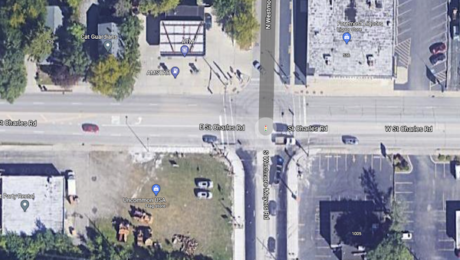
What is a brownfield? It’s not a fancy eco-buzzword—it’s an abandoned piece of real estate that once held a gas station, a factory, or even a strip mall. Instead of thriving, these properties sit empty for years, fenced off and avoided, because they’re weighed down by one ugly truth: real or suspected contamination. Brownfields are
- Published in Environmental Due Diligence, Environmental Remediation

Environmental due diligence is where optimism meets reality when buying commercial real estate. Sellers love to highlight the shiny features of a property—fresh paint, prime location, a “can’t miss” investment—but it’s the buyer’s job to look for the warts hiding under the surface. That’s where environmental due diligence comes in. Just because you can’t see
- Published in Environmental Due Diligence

As with all things, prices for a Phase I Environmental Site Assessment can vary based on a number of factors. At A3E, we take pride in providing clear, competitive pricing, but there’s a lot that goes into determining the true cost of a Phase I ESA. Understanding those factors can help you make a smarter
- Published in Environmental Due Diligence

An ADA Transition Plan is one of the most important tools municipalities use to improve accessibility in public infrastructure. For cities and towns across the Greater Chicagoland Region, developing or updating an ADA Transition Plan requires more than good intentions—it requires reliable, defensible data about existing sidewalk and ramp conditions. In 2025, A3 Environmental (A3E)
- Published in Environmental Due Diligence

Commercial lenders balance risk, cost, and speed on every deal. But there’s a blind spot: environmental reports. Too often, the drive to reduce borrower costs pushes lenders into a “low-bidder wins” model. At first glance, this looks efficient. In practice, it exposes lenders to unnecessary risk and borrowers to needless expense. For these banks, environmental
- Published in Environmental Due Diligence

These three environmental report tips can save commercial investors thousands of dollars and protect them from liability they never knew they were carrying. Whether you’re purchasing a property for business operations or as an income-generating asset, commercial investors have a lot riding on the due diligence process. A key step in protecting your investment—and your
- Published in Environmental Due Diligence

Commercial real estate professionals know the clock doesn’t start ticking when the ink dries on the contract—it’s been ticking the whole time. The deal isn’t done until the money moves, and every commercial real estate professional knows there’s a minefield of due diligence steps that can stall, shrink, or sink a closing. One of the
- Published in Environmental Due Diligence

An Environmental Desktop Report is a fast, ESRI-based screening of regulatory and historical records that tells a lender whether a commercial property — or any of its neighbors — carries documented environmental risk, without the cost or delay of a full Phase 1 ESA. In commercial lending, time and risk tolerance are constantly at odds:
- Published in Environmental Due Diligence

If you’re buying commercial real estate, you’re not just purchasing walls and dirt — you’re inheriting its history. That means if the previous owner had a love affair with toxic solvents in 1972, you might be picking up the tab for the cleanup in 2025. This is where Phase 1 ESA and Phase 2 ESA
- Published in Environmental Due Diligence

An Environmental Database Report is the fastest way a bank can see whether a commercial property — or any of its neighbors — carries a documented history of contamination before money changes hands. Also known as an EDR, Environmental Screen (ES), Desktop Assessment, or Desktop Due Diligence, this streamlined tool delivers high-level environmental risk data
- Published in Environmental Due Diligence

The gold standard comes from the American Society for Testing and Materials (ASTM). Think of it like GAAP for accounting or ISO for manufacturing—ASTM sets the playbook so every Phase I Environmental Site Assessment (ESA) is done the same way, every time. That means no surprises for you, and confidence for banks, investors, and anyone
- Published in Environmental Due Diligence
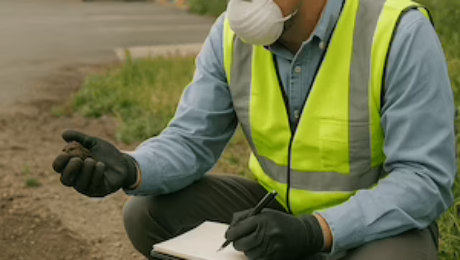
In 2025, environmental inspections are more than just a box to check before closing a deal — they are your shield against future liabilities. For business owners nationwide, a Phase I Environmental Site Assessment (ESA) is the gold standard in due diligence. Conducted by trained Environmental Professionals (EPs), these inspections uncover past, present, or potential
- Published in Environmental Due Diligence

An RSRA environmental report — formally a Record Search with Risk Assessment — is a streamlined, SBA-approved alternative to a full Phase 1 Environmental Site Assessment (ESA) that delivers commercial-property environmental due diligence at less than half the cost. Developed by the Small Business Administration (SBA) for SBA-backed loans, the RSRA pairs a comprehensive database
- Published in Environmental Due Diligence

An environmental report is any documented review of a property’s contamination history — from a quick database screen to a full Phase I ESA — and for all-cash buyers it is the one piece of due diligence no lender is forcing you to order, which is exactly why it deserves a closer look. Everyone buying
- Published in Environmental Due Diligence

Environmental due diligence in CRE is more than a checklist—it’s your financial seatbelt. At the center of it is the Phase 1 Environmental Site Assessment (ESA), a tool designed to uncover potential environmental risks before you commit to a property. Skip it, and you might as well be signing a blank check to future liabilities.
- Published in Environmental Due Diligence

In the world of commercial real estate (CRE) transactions, few phrases can stop a deal in its tracks like Recognized Environmental Condition — or REC. For banks and CRE buyers, understanding RECs and how to address them isn’t optional; it’s essential. At A3 Environmental Consultants, we help you navigate the landscape, from identification to resolution,
- Published in Environmental Due Diligence

When you hear “environmental inspection” in commercial real estate (CRE), think of it as the property’s medical check-up before you commit to buying it. In the context of a Phase 1 Environmental Site Assessment (ESA), this inspection is a critical component — part detective work, part science, and entirely about protecting your investment. For CRE
- Published in Environmental Due Diligence

If you’re a commercial real estate buyer in the Chicago Metropolitan Area searching for an environmental test, let’s start with some myth-busting: not all environmental assessments involve testing. In fact, most don’t. An Environmental Screen? Purely database work. A Record Search with Risk Assessment? More database work. Even a Phase 1 Environmental Site Assessment (ESA)
- Published in Environmental Due Diligence

If you’re a commercial real estate buyer, few phrases bring more anxiety than: “We need a copy of your Phase 1 Report.” Whether you’re refinancing, buying, or selling, this document is a gatekeeper to funding and compliance. But what if it’s missing? In this guide, we’ll walk you through how to track down a historic
- Published in Environmental Due Diligence

If you’re buying vacant land for commercial real estate, you’re probably thinking about location, zoning, and price. But here’s the question that could save you hundreds of thousands of dollars: Do you need an environmental assessment? The answer is nuanced. A Phase 1 Environmental Assessment (ESA) isn’t always required, but some form of environmental due
- Published in Environmental Due Diligence

If you’re buying commercial real estate, you may encounter an Environmental Questionnaire as part of the due diligence process. At A3 Environmental Consultants, we use an online questionnaire designed to satisfy ASTM’s All Appropriate Inquiries (AAI) standard. The twist? The answers depend on whether you’re responding as the “user” or the “property owner” — and
- Published in Environmental Due Diligence

If you’re reading this, you’re likely knee-deep in a commercial property transaction and are wondering who pays for a Phase 2 ESA after hearing those dreaded words from your environmental consultant: Recognized Environmental Condition (REC). This means your Phase 1 Environmental Site Assessment (ESA) has flagged something suspicious, and a Phase 2 ESA is now
- Published in Environmental Due Diligence

If you’re buying or selling commercial property, sooner or later the question will come up: Who pays for the Phase 1 Environmental? For first-time buyers and sellers, the answer can seem murky. The short version? It’s a negotiation. The longer version — well, that’s where strategy, market conditions, and a little dry wit come in.
- Published in Environmental Due Diligence

A Phase 1 ESA is the unsung hero of the commercial real estate world. It exists to prevent a buyer, seller, or lender from walking blindly into the purchase, sale, or financing of an environmentally compromised property. Without it, you could unknowingly buy a contaminated parcel at a price that ignores the environmental cleanup costs
- Published in Environmental Due Diligence
Environmental contamination is among the worst risks for a business. It’s costly, unpredictable, and damaging in ways that extend far beyond the balance sheet. For buyers of commercial real estate, the threat of hidden environmental contamination can be a deal-breaker—and skipping environmental due diligence is like playing Russian roulette with your investment. This article explores
- Published in Environmental Due Diligence
If you’re considering purchasing commercial property, you’ll likely encounter the term Environmental Site Assessment (ESA) early in the process. Often, this refers to the Phase I Environmental Site Assessment – the first and most common step in identifying potential environmental liabilities. While the term “ESA” can also include Phase II investigations or even just the
- Published in Environmental Due Diligence